
Purpose of the flight and payload description
The VISTA platform is the trademark name of the super-pressure balloon system developed by Red Balloon Aerospace for commercial, scientific, communications, and surveillance applications. It is designed to operate in the stratosphere at altitudes of approximately 25 km.
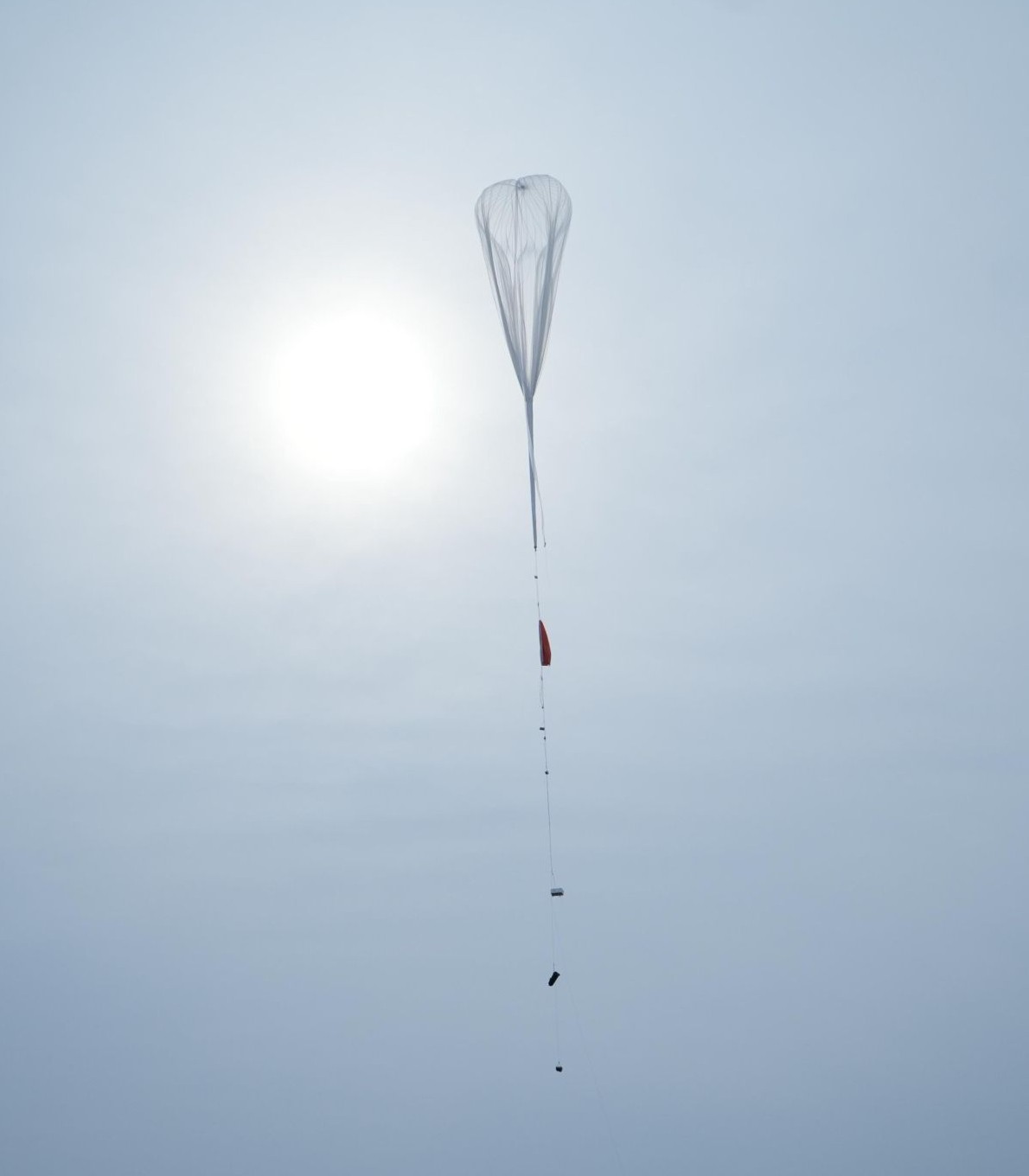
The balloon is constructed from an advanced polymer nanocomposite material and is filled with hydrogen. The system is designed to carry payloads with a total mass of up to 50 kg. Its flight and navigation capability includes a Global Navigation Satellite System (GNSS), while the platform is intended to accommodate payloads requiring telecommunications, Earth observation, environmental monitoring, disaster-management support, biological experimentation, propulsion-system testing, onboard computing, and other near-space applications. The platform can support multiple payloads and users during the same flight, allowing different experiments or operational systems to share a common high-altitude platforms.
VISTA is also intended to function as an elevated communications platform. At stratospheric altitude, it can provide line-of-sight coverage over areas larger than those accessible from conventional ground infrastructure. The system is intended for telecommunications and network connectivity in regions where persistent terrestrial coverage is unavailable or limited. Proposed applications include non-terrestrial network connectivity, communications support for remote and underserved areas, disaster monitoring and management, and the provision of persistent coverage over regions that lack continuous access to conventional communications infrastructure.
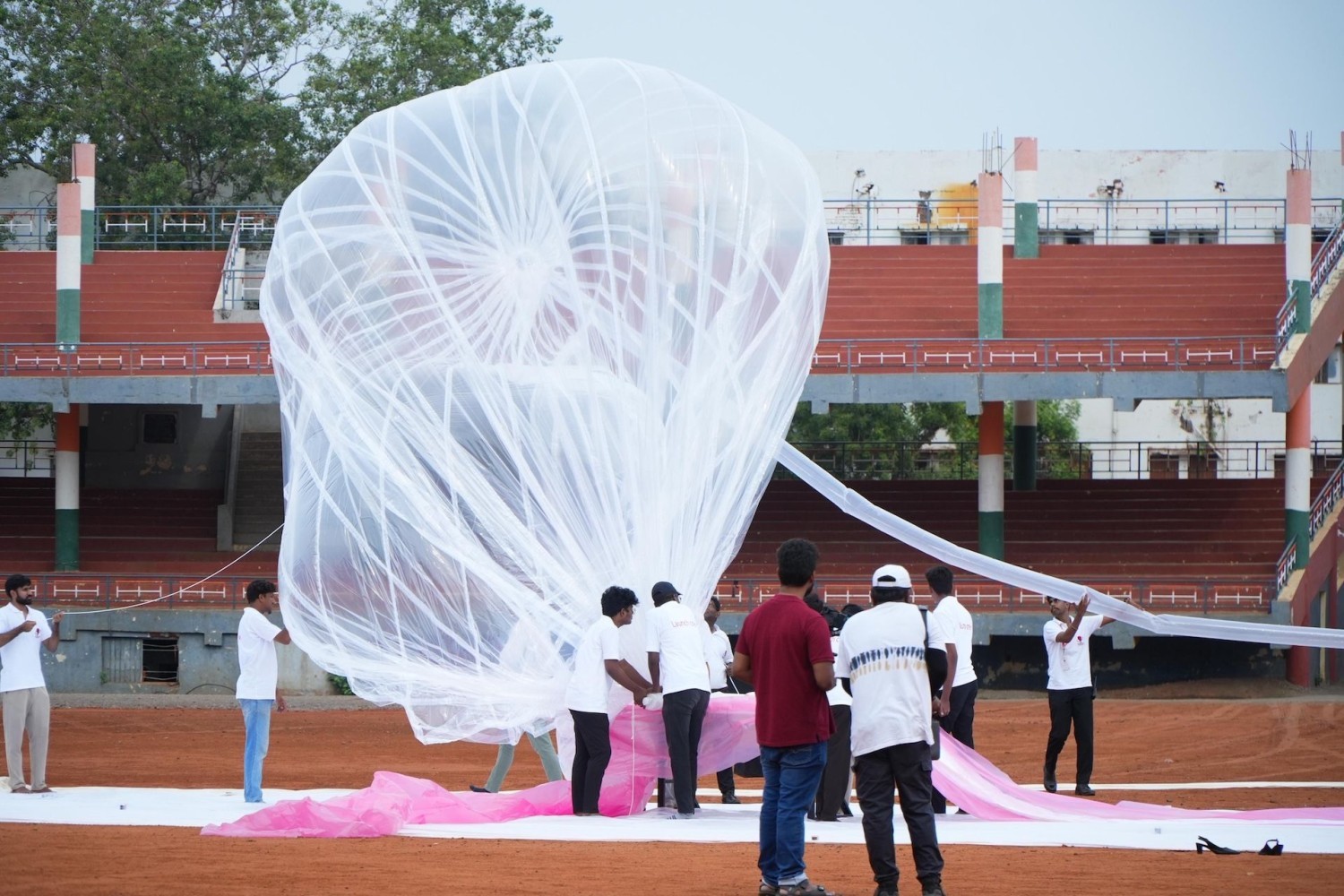
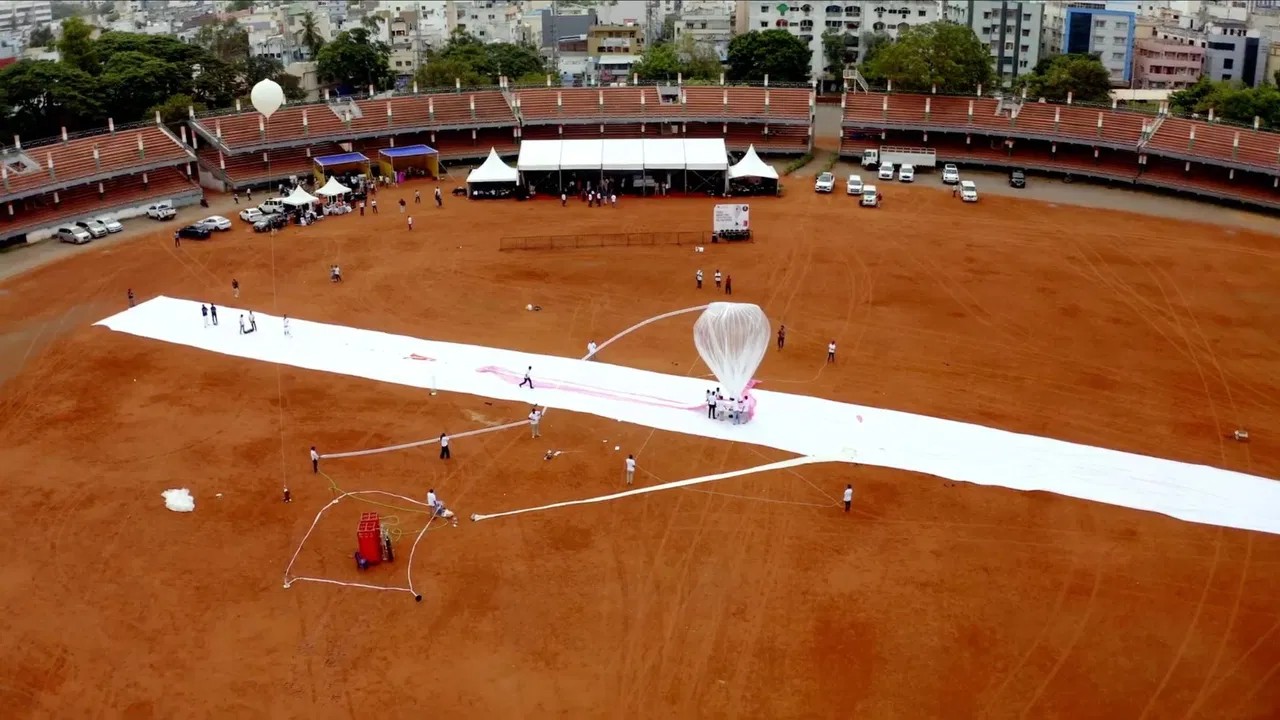
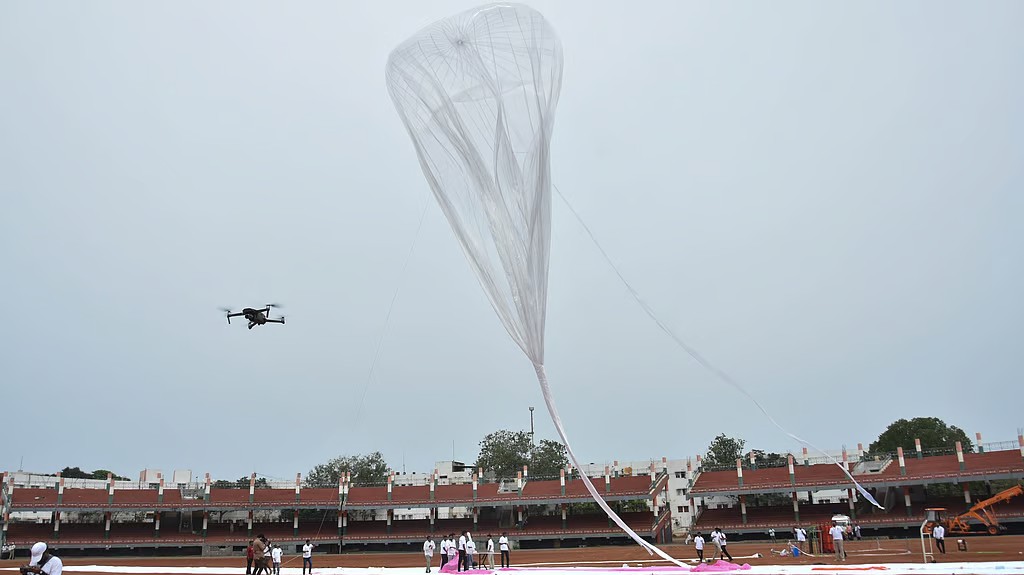
Mission SANA was the first flight of the VISTA platform and the first flight of an indigenous Indian super-pressure balloon carrying commercial payloads. The launch was conducted by Red Balloon Aerospace and formed part of the companys initial flight campaign for validating its near-space platform technology. The flight carried six payloads supplied by both national and international partners representing several technical and scientific applications. These included Earth-observation sensors, biological experiment systems, propulsion-technology demonstrations, onboard computing platforms, and sensor and navigation-performance validation systems. The payload complement was used to test the ability of the balloon platform to carry multiple independent systems during a single flight and to support commercial and experimental activities from a common stratospheric vehicle.
One of the payloads belonged to AnduraX, an Indian aerospace company developing reusable spaceplanes and autonomous return and recovery technologies. During the flight, the company conducted ADM-01 (AnduraX Drop Mission-01), a demonstration intended to validate key elements of its reusable flight architecture, including guidance, navigation and control (GNC), avionics, telemetry, and integrated mission operations. The controlled flight was designed to test autonomous guidance and recovery functions as enabling technologies for future reusable aerospace vehicles. Despite the mission being designated as a drop mission there is no indication that any hardware was actually released or dropped from the balloon during the flight.
Preparatives of the flight and launch of the SANA Mission
Details of the balloon flight
Balloon launched on: 5/27/2026
Launch site: Vijayawada, Andhra Pradesh, India
Balloon launched by: Red Balloon Aerospace
Balloon manufacturer/size/composition: Super Pressure Balloon
End of flight (L for landing time, W for last contact, otherwise termination time): 5/27/2026
Balloon flight duration (F: time at float only, otherwise total flight time in d:days / h:hours or m:minutes - ): 7 h 30 m
Landing site: In Raichur District, Karnataka, India
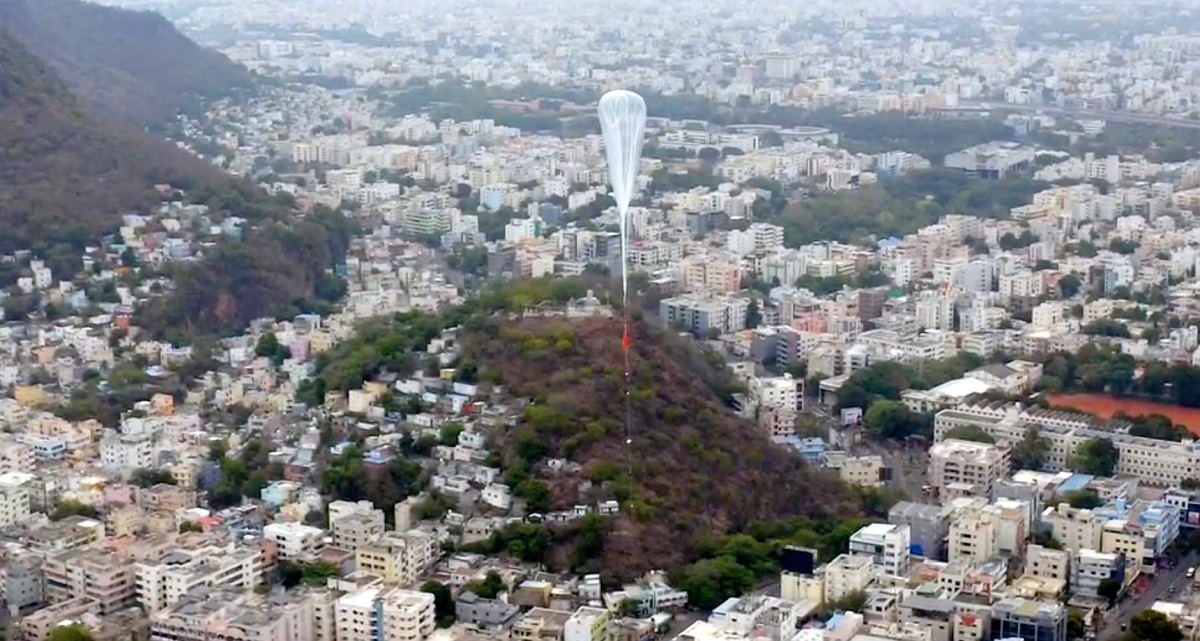
The balloon was launched from the Indira Gandhi Stadium in Vijayawada, Andhra Pradesh, on 27 May 2026. Following launch, the balloon ascended over the region surrounding Vijayawada. Flight data recorded the vehicle at an altitude of 12.2 km above Guntur district at 10:05 local time. Theoreticaly the platform was designed to continue its ascent toward an operating altitude of approximately 25 km, but so far, the company has not published any details on the final float altitude, flight duration, horizontal trajectory, termination procedure, landing location, or payload recovery.
External references
Images of the mission
StratoCat is an independent, non-commercial project maintained to preserve and share the history of scientific and stratospheric ballooning. If you find the site useful, you can help keep it running with a small donation toward its operating costs. Every contribution, even the equivalent of a cup of coffee, is greatly appreciated.