
Purpose of the flight and payload description
The objective of the flight was to perform a technological flight of several instruments installed onboard the BANA gondola.
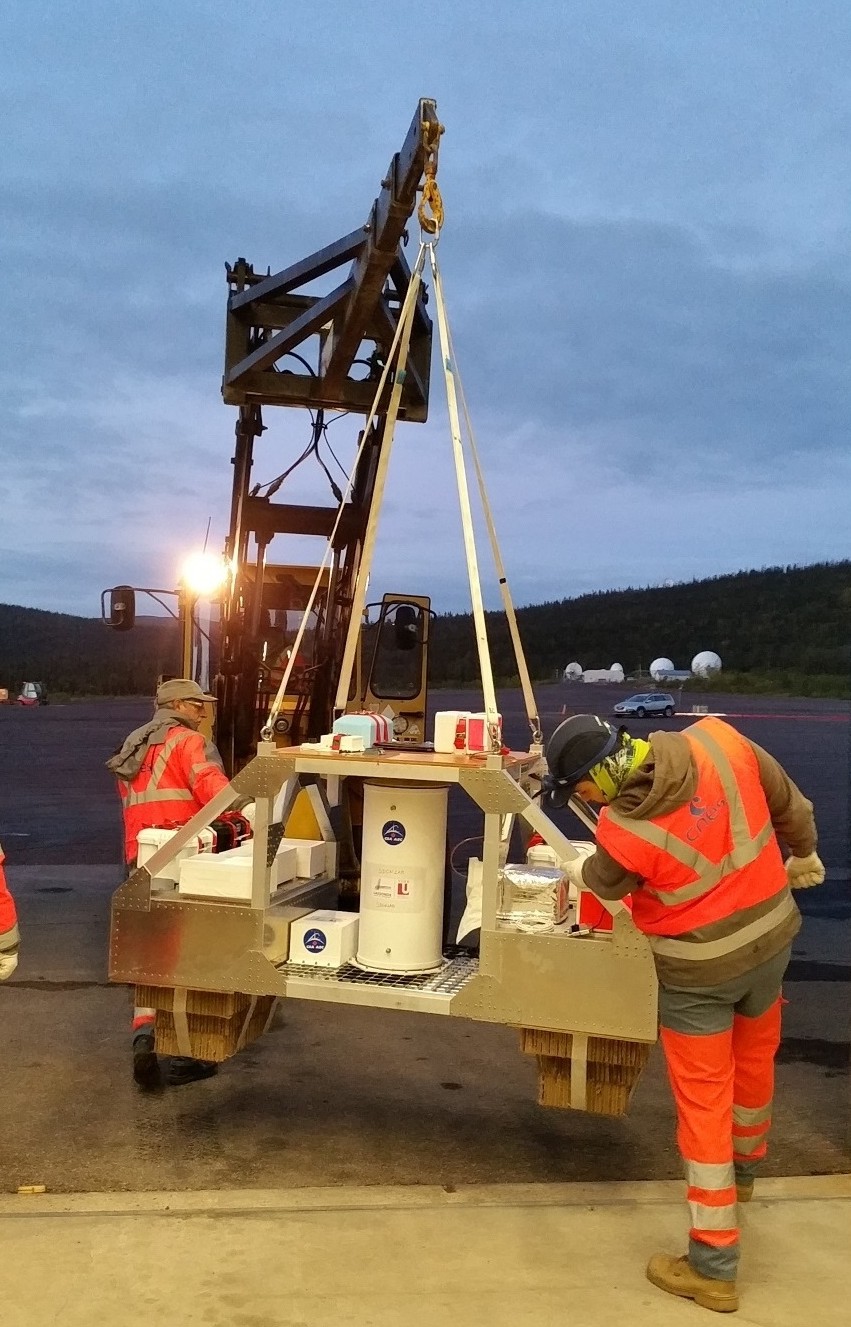
The BANA platform is a compact payload gondola developed by CNES, intended primarily for technology demonstration flights. Its structure measures 1.0 × 0.80 × 1.0 meters and has an empty mass of 80 kg. The gondola is designed to accommodate scientific or technological payloads with a maximum payload mass of 170 kg. The structural configuration provides a simple support platform intended for experiments that do not require stabilized pointing or extensive onboard service integration. Payloads are installed within the structural frame while interfacing with the standard CNES flight train and payload gondola mechanical interfaces. BANA can also be integrated with the standard CNES communication and instrumentation infrastructure, including PASTIS interfaces and environmental monitoring equipment when required by the mission configuration.
The experiment onboard this mission were:
Fabry-Perot Spectrometer an instrument aimed to obtain high-resolution, high-precision (0.5%) measurements of molecular oxygen (O2) in the A-band at altitudes between 20 and 40 km. During the flight the instrument simultaneously retrieved surface pressure, aerosol information, and surface albedo from the measurements. Main missions goal was to demonstrate the capability to distinguish between low and high aerosol optical depths.
Pressure/Temperature Probe developed as part of a Science, Technology, Engineering and Mathematics Outreach Project aimed to introduce young students to careers in science, technology, engineering, and mathematics. The students are responsible for designing, testing, and building a simple payload consisting of a pressure and temperature sensor.
LOAC and AEROWAVE the objective is to study the vertical distribution of stratospheric aerosols at high latitudes, with the specific and original goal of determining the proportion of electrically charged aerosols as a function of altitude. Two LOAC instruments are flown on the same gondola, one of them equipped with a particle deflector to estimate this proportion. The results will be compared with those obtained and published using the predecessor instrument STAC. LOAC is able to distinguish between different types of particles, a capability that STAC lacked, as its measurements were biased in the presence of carbonaceous particles.
AMULSE an instrument that measures the concentrations of CO2 and CH4.
An additional objective of the flight was to qualify CNES' NOSYCA system (New Operational System for the Control of Aerostats) a new standard package for balloon flights, and the NIMA system (NOSYCA Integration of Multipurpose Antenna).
Details of the balloon flight
Balloon launched on: 9/3/2016 at 5:44 utc
Launch site: European Space Range, Kiruna, Sweden
Balloon launched by: Centre National d'Etudes Spatiales (CNES)
Balloon manufacturer/size/composition: Zero Pressure Balloon
End of flight (L for landing time, W for last contact, otherwise termination time): 9/3/2016 at 11:30 UTC
Balloon flight duration (F: time at float only, otherwise total flight time in d:days / h:hours or m:minutes - ): 7 h
Landing site: 15 kms north of the town of Peltovuoma, Finland
Campaign: KASA 2016
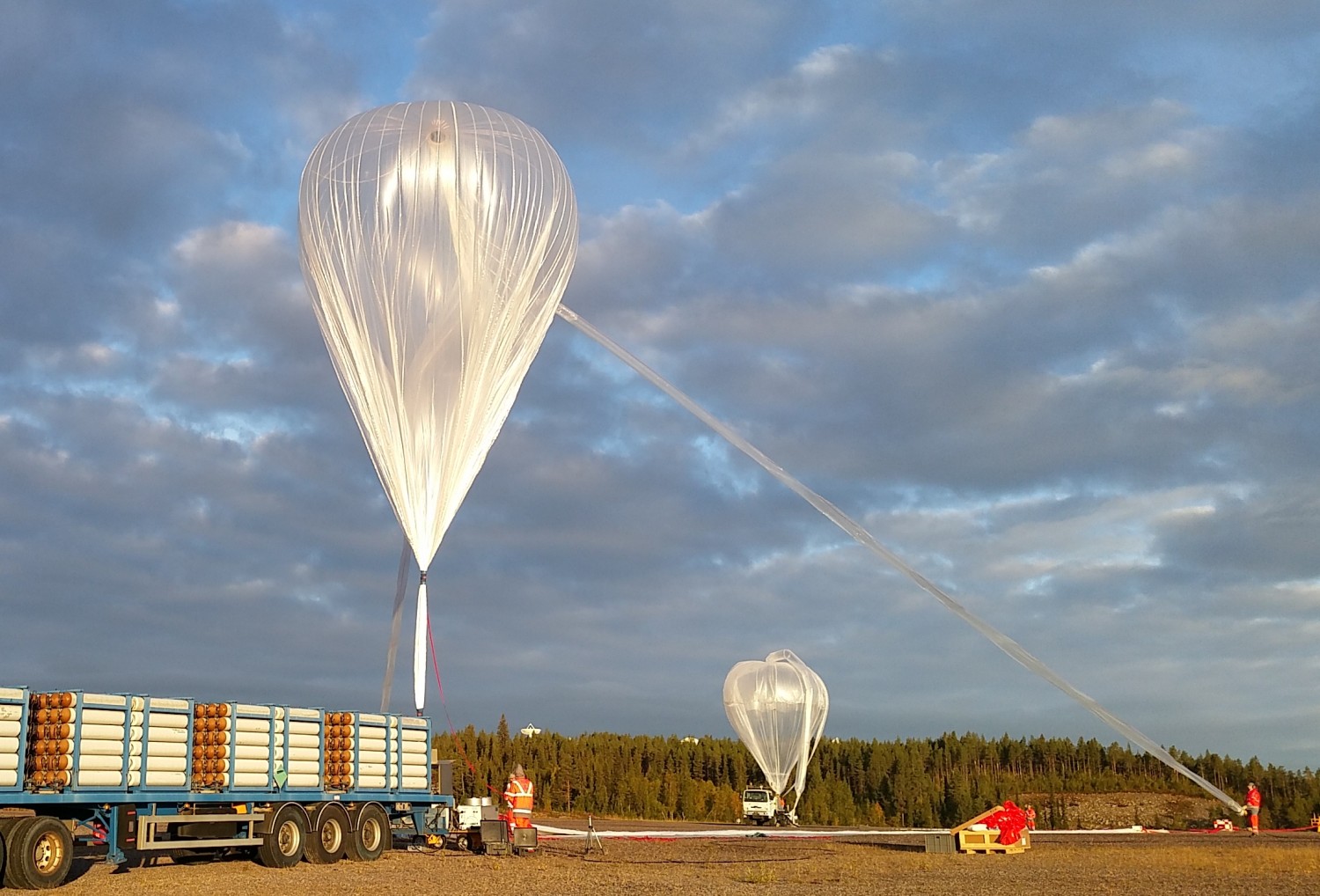
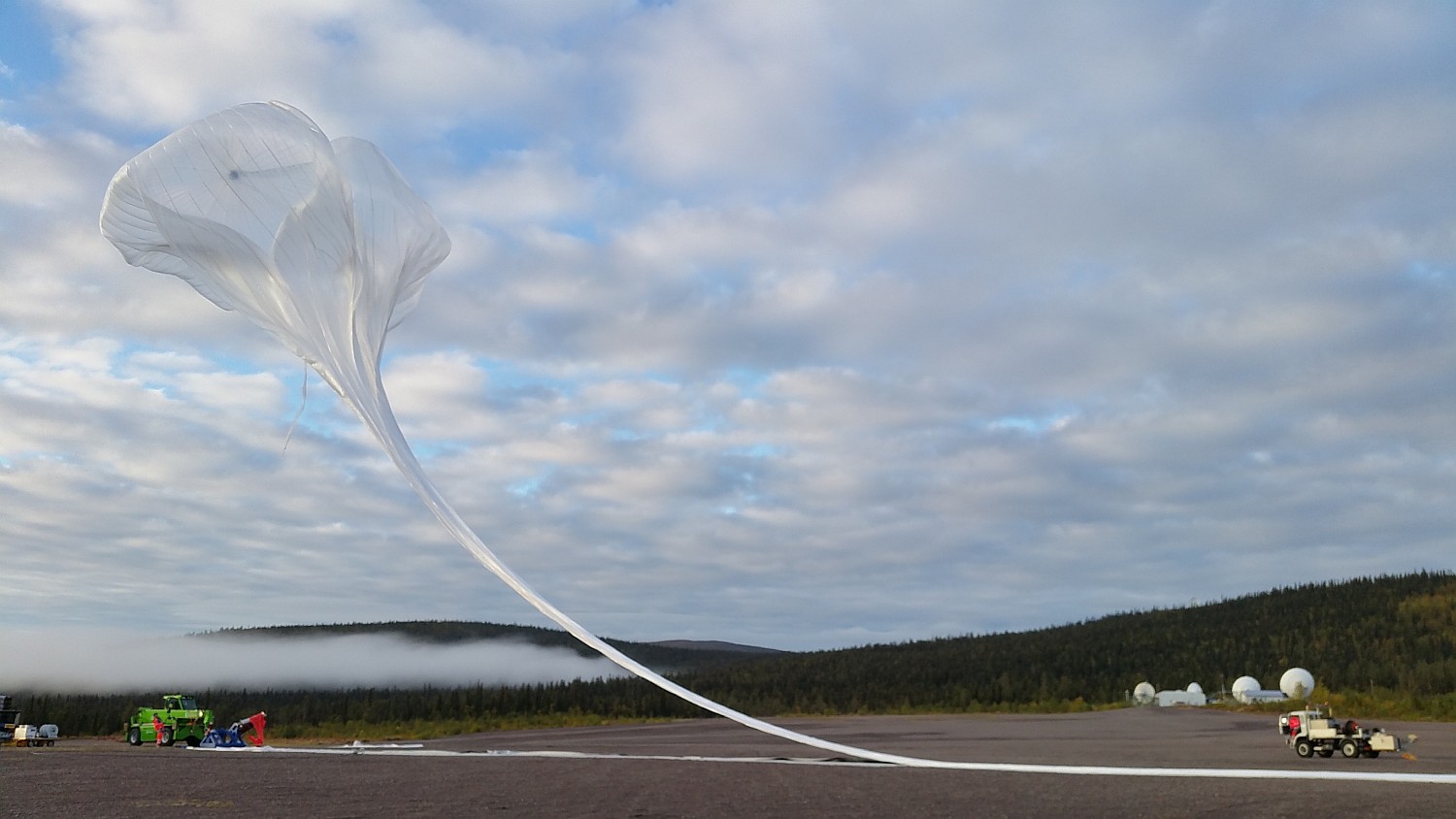
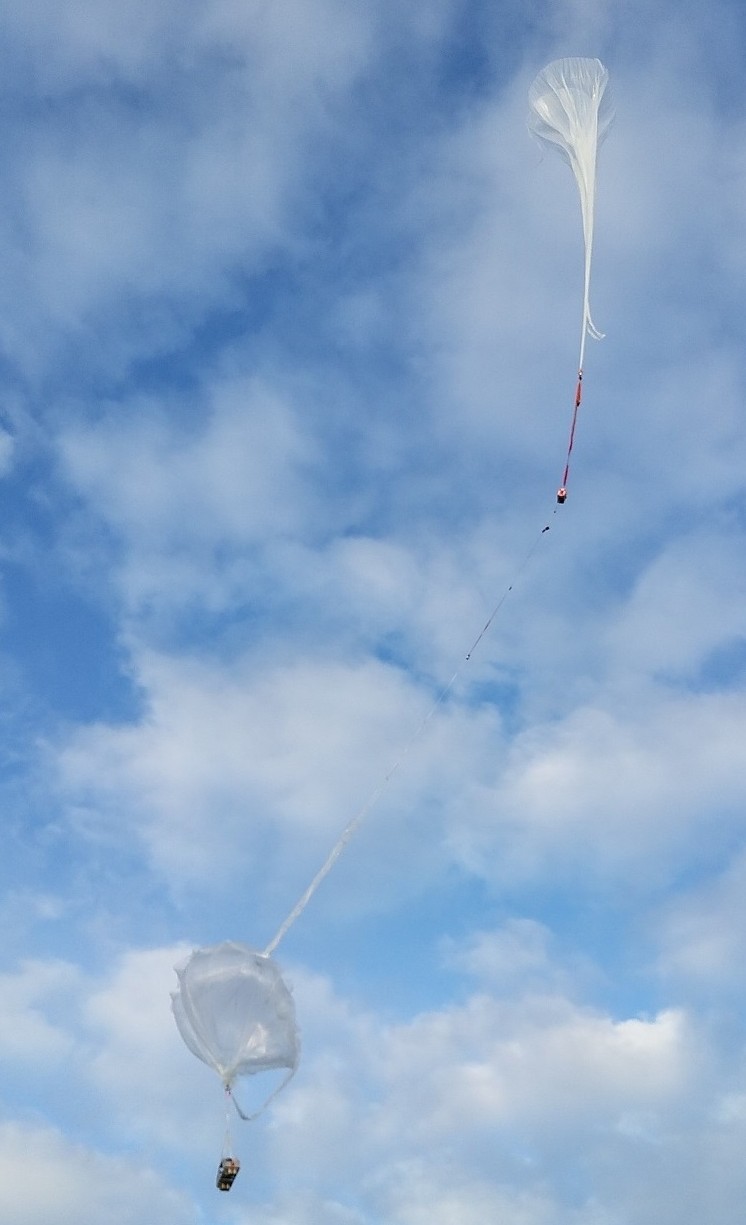
The balloon was launched from ESRANGE on Saturday, 3 September at 4:43 UTC. After a nominal ascent of two hours it reached its float altitude of 35,000 m. The scientific mission was successfully completed, with five hours at float altitude and termination was initiated at 11:30 UTC for landing 15 kms north of the town of Peltovuoma, Finland. The recovery team had to make its way through the Finnish forest to retrieve the flight train before returning it to the base.
External references
- CNES KASA Campaign successfully completed SSC Space
- Deuxième vol: BANA CNES website
- KASA 2016 Canadian Space Agency
- List of balloons launched from ESRANGE SSC Space website (via Archive.Org)
Images of the mission
If you consider this website interesting or useful, you can help me to keep it up and running with a small donation to cover the operational costs. Just the equivalent of the price of a cup of coffee helps a lot.